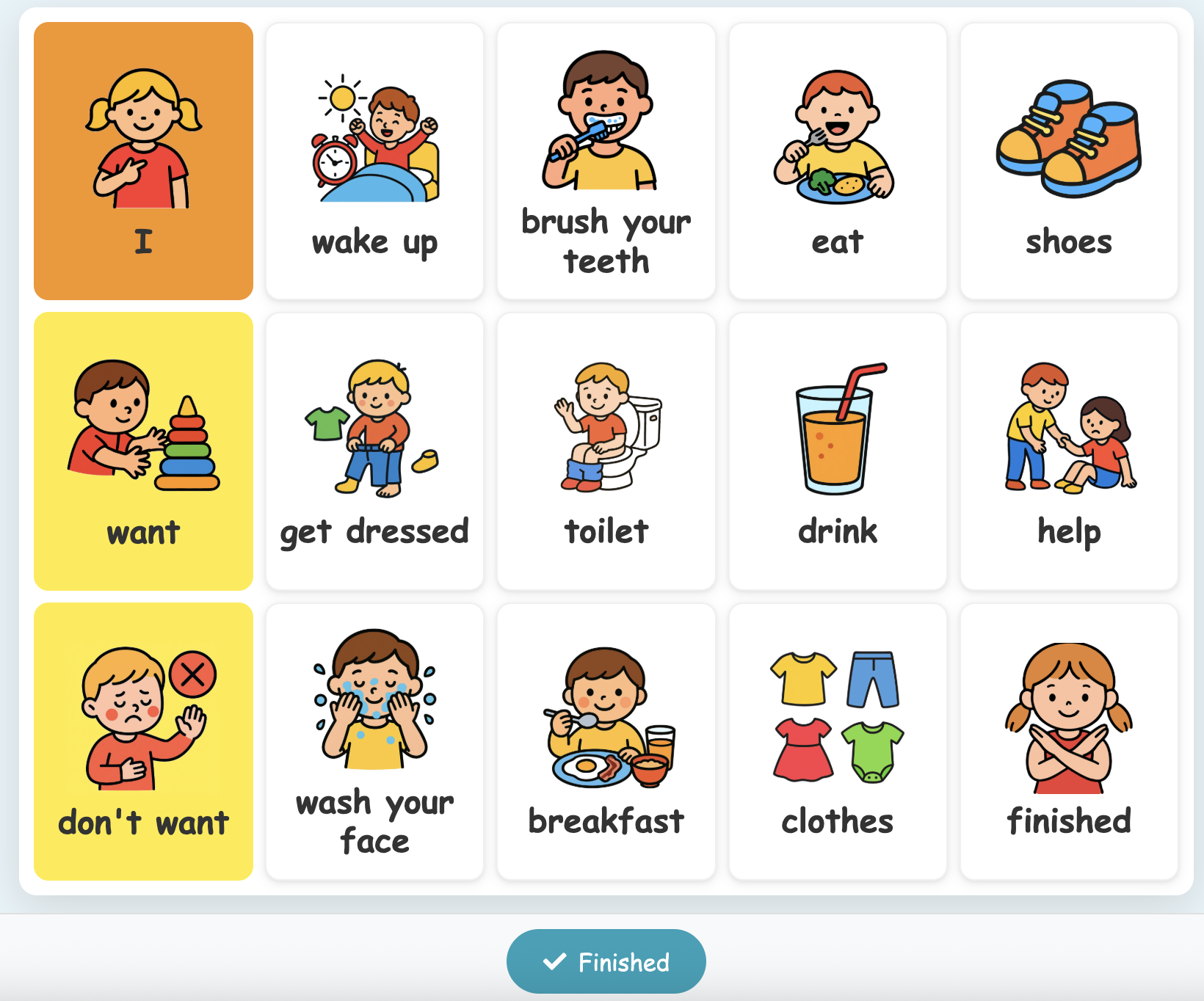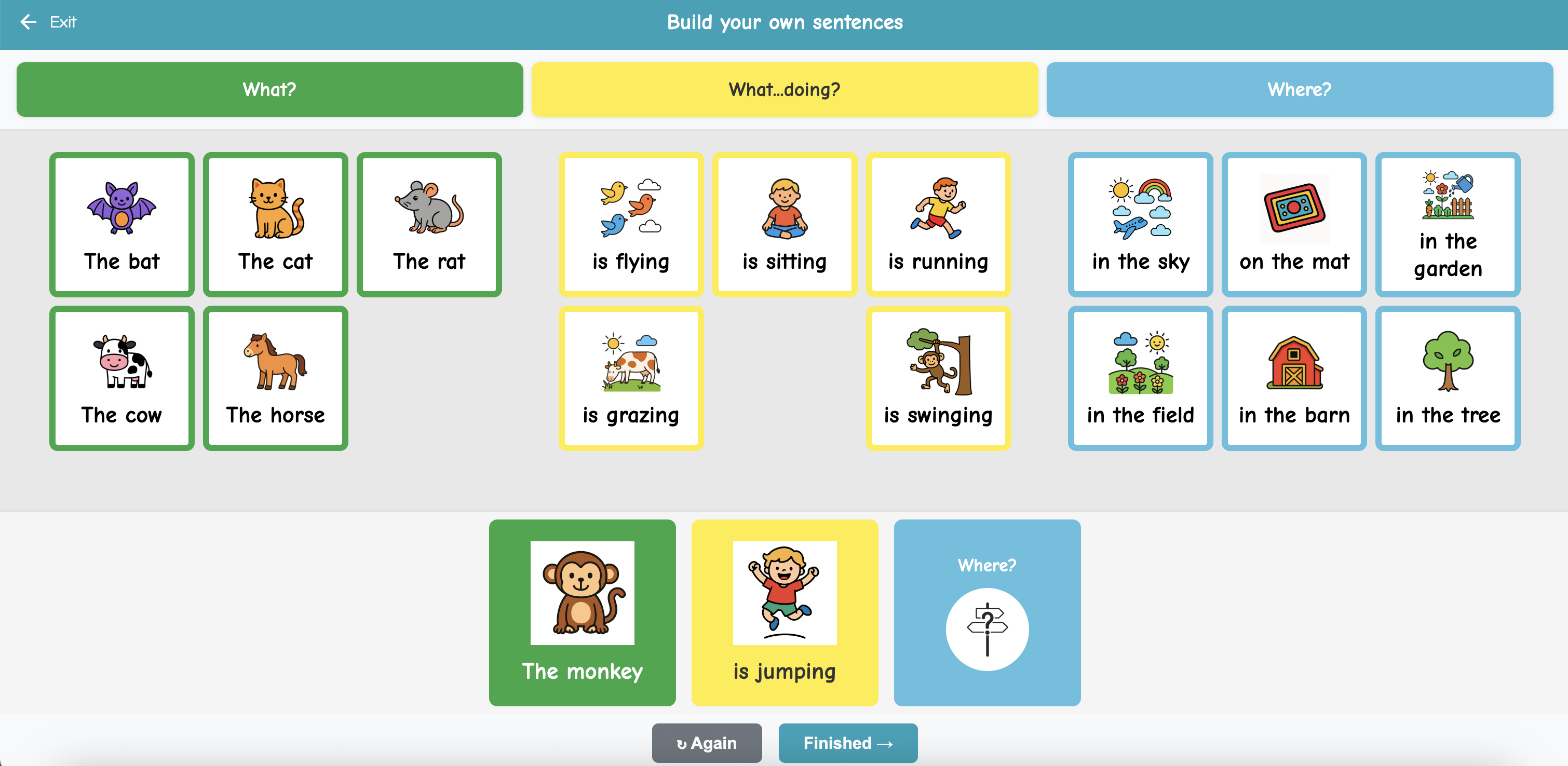
Communication boards are one of the most effective AAC (Augmentative and Alternative Communication) tools available for children and adults with speech and language difficulties. Whether you’re creating a communication board for a classroom, playground, home or therapy session, the vocabulary you choose can make the difference between a board that gets used every day and one that is quickly forgotten.
So what should be included on a communication board? The answer depends on who will be using it, but there are several key principles that every effective communication board should follow.
Start with the Purpose of the Board
Before selecting any symbols, think about why the board is being created.
Ask yourself:
- Where will the board be used?
- Who will be using it?
- What do they need to communicate most often?
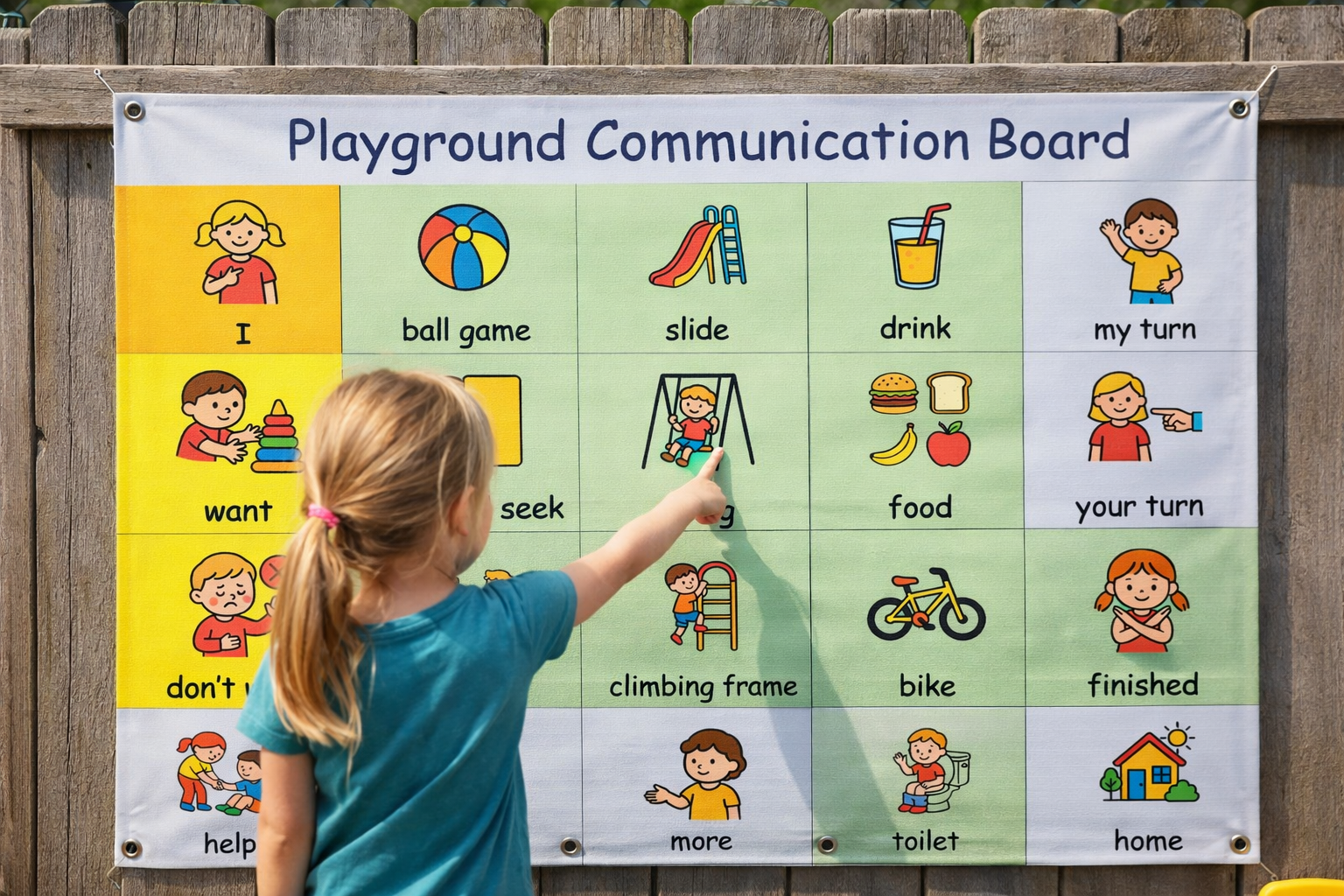
A communication board for a playground will look very different from one used during snack time or in a classroom. For example, a playground communication board may include words such as slide, swing, my turn, play together and stop. A classroom board may focus more on requesting help, answering questions and participating in lessons.
Designing the vocabulary around the environment makes the board much more meaningful.
Include Core Vocabulary
Core vocabulary consists of words that we use every day in almost every situation. These words make up the majority of our conversations and should form the foundation of every communication board.
Examples include:
- I
- You
- Want
- Go
- More
- Stop
- Help
- Like
- Finished
- Again
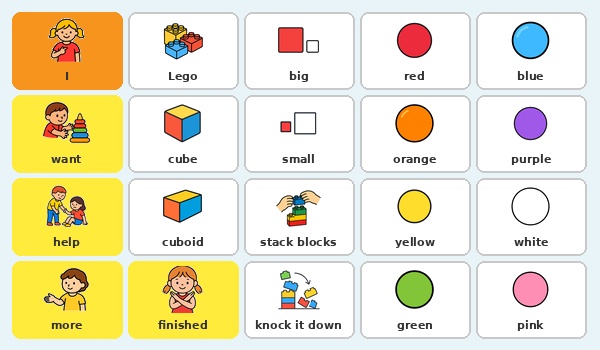
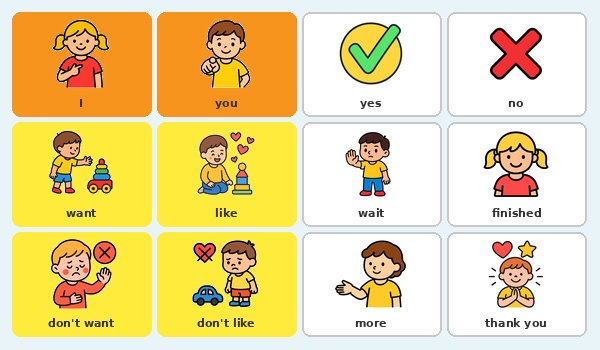
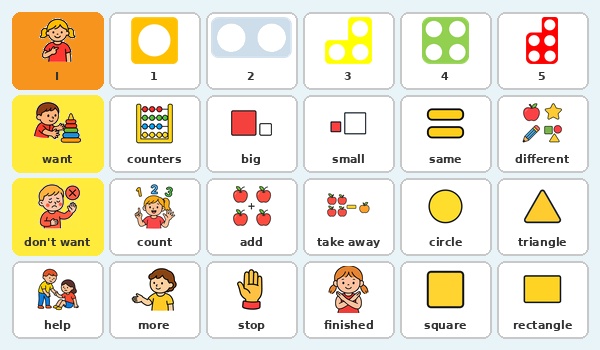
Although these words are simple, they allow users to communicate in many different situations and combine with other vocabulary to create meaningful messages.
Add Context-Specific Vocabulary
Alongside core vocabulary, communication boards should include words that relate directly to the activity or environment.
For example:
Playground
- Slide
- Ball
- Swing
- Climb
- Run
- Friend
- My turn
- Your turn
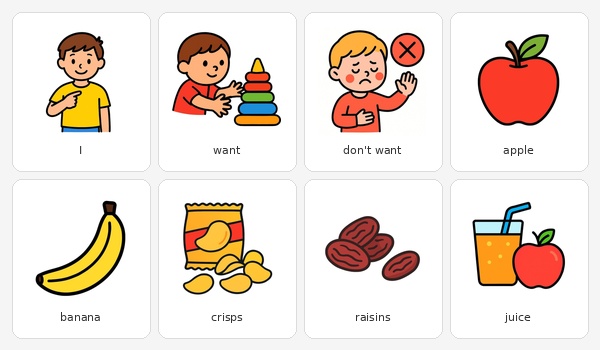
Snack Time
- Apple
- Banana
- Drink
- Biscuit
- More
- Finished
Farm Topic
- Cow
- Pig
- Tractor
- Farmer
- Barn
- Sheep
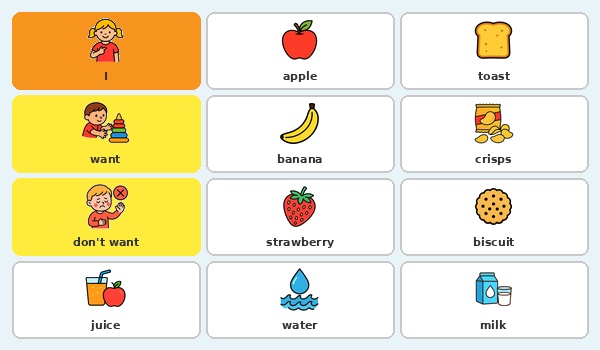
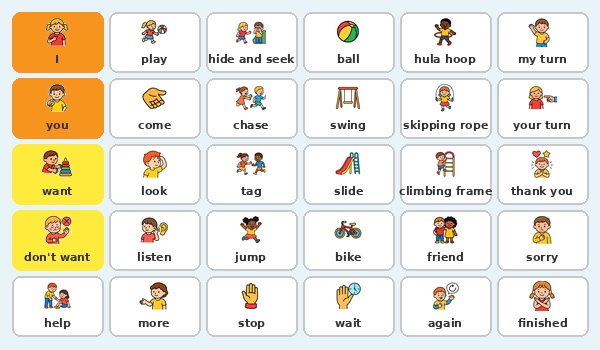
Providing vocabulary that matches the activity encourages communication because the symbols lead to real outcomes.
Personalise the Vocabulary
One of the biggest mistakes people make is using generic communication boards that don’t reflect the user’s daily life.
Imagine including the word swing on a playground board when the playground doesn’t actually have a swing. This can become frustrating for pupils because they are encouraged to request something that isn’t available.
Instead, communication boards should reflect the real environment.
Include:
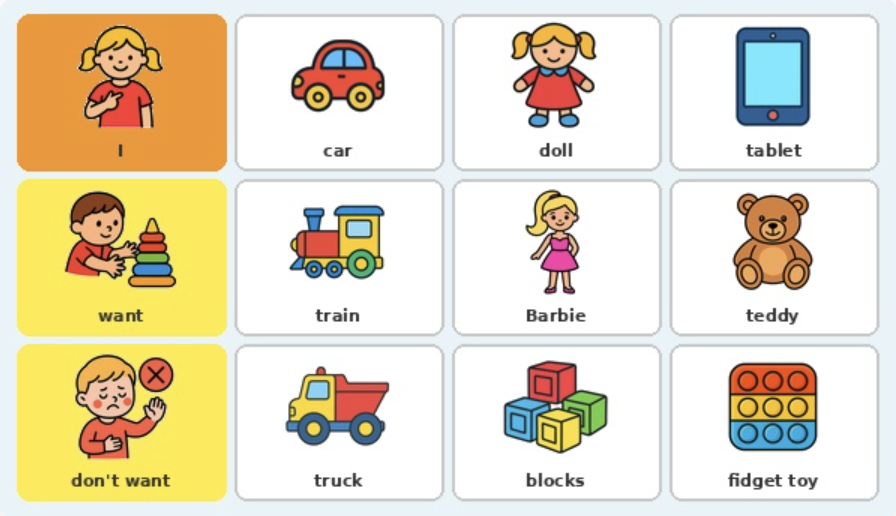
- favourite toys
- favourite activities
- familiar adults
- classroom names
- equipment that actually exists
This makes communication more successful and meaningful.
At LiberiComm, communication boards can be fully customised, allowing you to choose exactly which symbols appear on the board. If a symbol isn’t already available in the library, our AI image generation tool can create it instantly, making it easy to build communication boards that perfectly match your setting.
Use Clear, Consistent Symbols
The symbols themselves should be easy to recognise.
Choose symbols that are:
- simple
- uncluttered
- visually consistent
- appropriate for the user’s age
Consistency helps users locate vocabulary more quickly and reduces cognitive load.
Consider the Layout
A good communication board isn’t simply a collection of pictures.
Think about:
- grouping similar vocabulary together
- leaving enough space between symbols
- keeping frequently used words easy to reach
- using a consistent layout every time
A predictable layout helps users develop automatic navigation, making communication quicker and more independent.
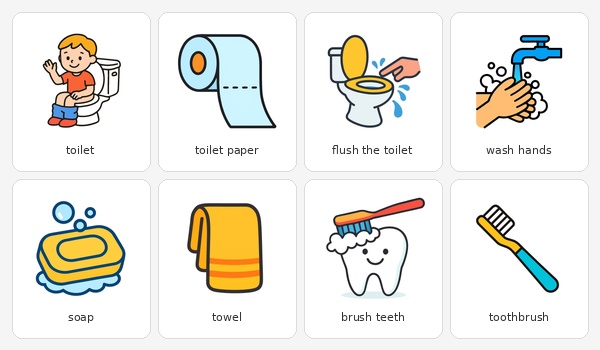
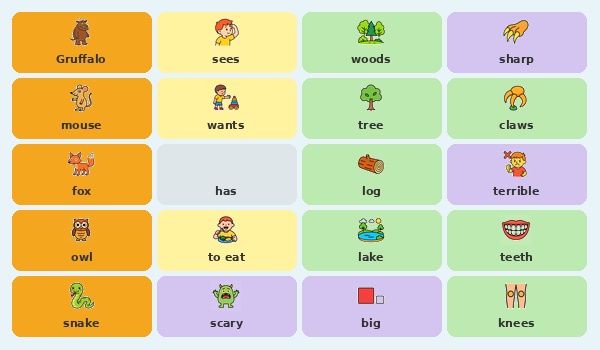
Don’t Overload the Board
More vocabulary isn’t always better.
Too many symbols can make communication slower and overwhelming, particularly for early communicators.
Instead, include only the vocabulary needed for that particular activity or environment.
As communication skills develop, boards can gradually become larger and more detailed.
Should Communication Boards Be Digital or Printable?
Both have their advantages.
Digital communication boards can be used on tablets, laptops and interactive whiteboards. They also provide the added benefit of hearing each word spoken aloud when it is selected, helping reinforce vocabulary and supporting language development.
Printable communication boards are ideal for classrooms, homes and outdoor environments where a permanent visual support is needed.
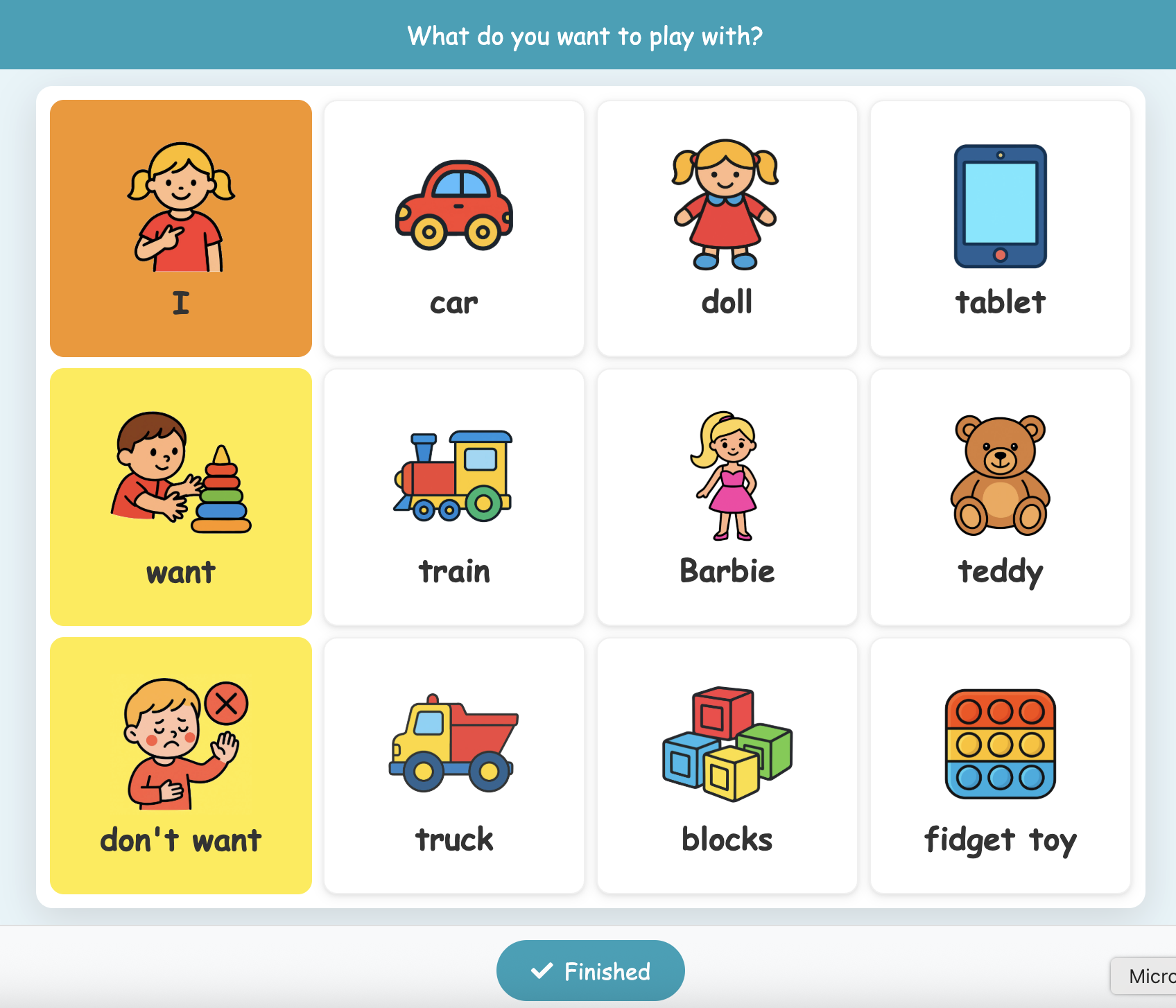 At LiberiComm, every communication board can be used digitally or printed, giving schools and families the flexibility to choose the approach that works best for their learners.
Review and Update Regularly
Communication needs change over time.
As children develop new interests, vocabulary and independence, communication boards should evolve with them.
Review boards regularly by asking:
- Are all the symbols still relevant?
- Are there words that are rarely used?
- What new vocabulary would support communication?
Small updates can make a big difference.